

ProFoam & Coatings Guides
Spray Foam vs. Fiberglass Insulation
Fiberglass costs less up front and slows heat moving through the ceiling, but it doesn’t stop air or humidity. Spray foam insulates and air-seals in one step, and on the roof deck it keeps the whole attic, including your ductwork, cooler and drier. In South Florida’s climate, that air sealing is often the bigger difference.
Side-by-side
Air sealing
Spray foam seals air leaks; fiberglass doesn’t.
Humidity
Spray foam keeps humid outdoor air out of a sealed attic; fiberglass lets air move through.
Where it goes
Spray foam usually goes on the roof deck; fiberglass sits on the attic floor.
Ductwork
With spray foam, ducts sit in a cooler attic; with fiberglass, they stay in the heat.
Up-front cost
Fiberglass costs less; spray foam costs more but does more.
When fiberglass still makes sense
If your budget is tight, your attic is in good shape and your ductwork isn’t in the attic, adding blown-in or batt fiberglass to the attic floor can be a reasonable upgrade. We’ll tell you if that’s the better fit.
Compare all the options on our attic insulation page.

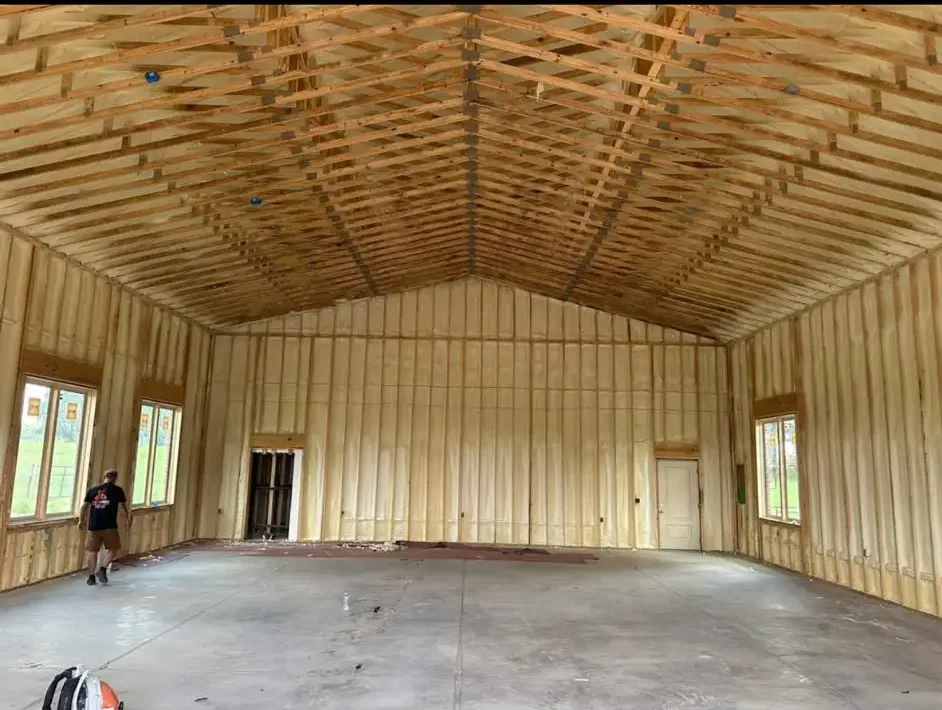
When spray foam is worth it
Spray foam pays off most in homes with ductwork and air handlers in the attic, hot upstairs rooms, humidity problems or old insulation that needs to come out anyway. Learn more about spray foam insulation, or see what it costs in our cost guide.
Frequently asked questions
Can spray foam go over existing fiberglass?
On the roof deck, yes, since the foam goes on the underside of the roof. Old fiberglass on the attic floor is often removed if it’s damp, dirty or damaged.
Which lasts longer?
Spray foam doesn’t settle or sag. Fiberglass can compress and lose effectiveness when it gets wet or disturbed.
Have a question about your building? Ask us
Call (954) 408-5332 or request an estimate online, and we’ll schedule a free inspection.