

Spray Foam Insulation Built for South Florida
Spray Foam Insulation in South Florida
Spray foam insulation is a liquid foam sprayed onto the underside of your roof deck or into walls that expands to seal gaps and insulate. In South Florida it keeps attics cooler and drier, which can lower air-conditioning costs. ProFoam & Coatings installs open- and closed-cell spray foam across Broward, Palm Beach and Miami-Dade.
Why spray foam works in South Florida
Most South Florida homes lose the battle against heat in the attic. On a summer afternoon the space above your ceiling can get far hotter than the air outside, and that heat pushes down into the rooms below while your air conditioner tries to keep up. Traditional fiberglass or blown-in insulation slows heat, but it doesn’t stop air from moving. Hot, humid air still leaks through gaps around can lights, ductwork, top plates and roof vents.
Spray foam does both jobs at once. It insulates and it air-seals. When it’s applied to the underside of the roof deck, the attic becomes part of the cooled space of the home instead of an oven sitting on top of it. Your ductwork and air handler, which in many Florida homes live in the attic, then sit in a much cooler, drier space.
The result most homeowners notice first is comfort: fewer hot rooms, less stickiness, and an AC system that cycles less often. Over time that can show up on your FPL bill as well.

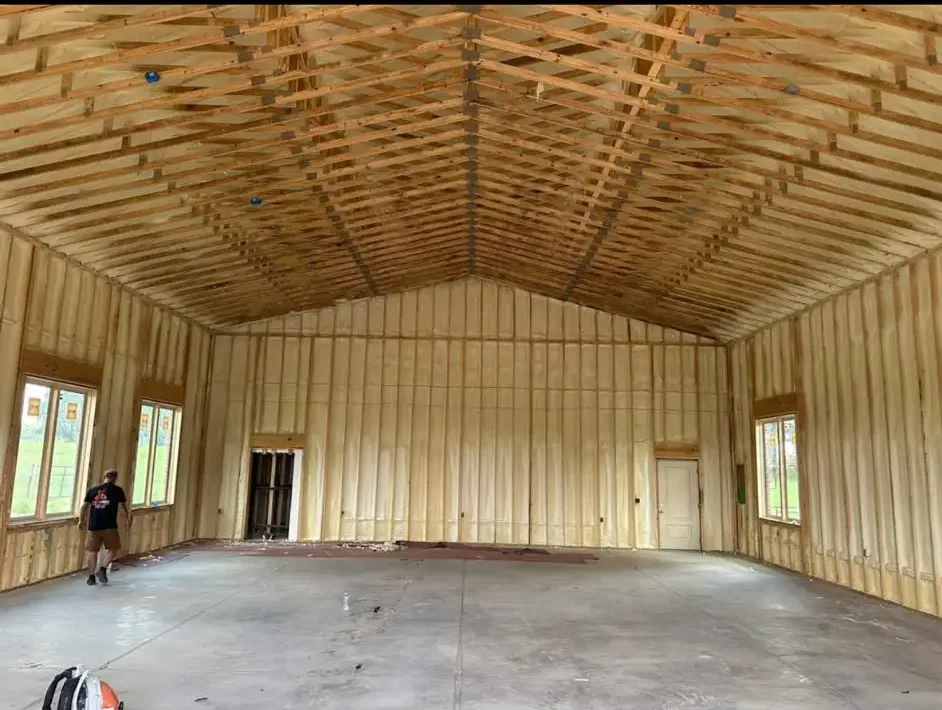
Open-cell vs. closed-cell spray foam
There are two main types of spray foam, and the right one depends on where it’s going and what you need it to do.
Open-cell foam is lighter and softer. It expands a lot when sprayed, filling irregular cavities and sealing air leaks well, and it’s typically the more economical choice for attic roof decks in homes. It insulates at roughly R-3.5 to R-3.8 per inch.
Closed-cell foam is denser and more rigid. It insulates at roughly R-6 to R-7 per inch, resists moisture, and adds rigidity to the surfaces it’s sprayed on. It’s the usual choice for metal buildings, warehouses, areas exposed to moisture, and places where space is tight.
During your estimate we look at your roof type, attic, ventilation and goals, and recommend the foam type and thickness that fits the building. Read our full open-cell vs closed-cell guide.
Spray foam vs. fiberglass and blown-in insulation
Fiberglass batts and blown-in insulation are the most common attic insulation in older South Florida homes. They’re inexpensive and they slow heat moving through the ceiling, but they have limits in this climate. They don’t stop air, they lose effectiveness when they’re compressed, wet or disturbed, and they sit on the attic floor, which leaves the ductwork above them in the hottest part of the house.
Spray foam costs more up front, but it seals air leaks and insulates in one step, and it moves the insulation line up to the roof deck. That’s why many Florida homeowners replacing old, matted or pest-damaged insulation choose spray foam instead of simply adding more blown-in. If spray foam isn’t the right fit for your home or budget, we’ll tell you. See our spray foam vs fiberglass comparison for a side-by-side look.

Signs your home needs better insulation
✓
Rooms that never cool down, especially bedrooms and bonus rooms under the roof.
✓
An AC that runs constantly on summer afternoons, or electric bills that keep climbing.
✓
A sticky, humid feel indoors even with the AC running.
✓
Old insulation that’s thin, matted, damp or damaged by pests when you look in the attic.
✓
Dust and drafts around ceiling lights, vents and the attic hatch.
If any of these sound familiar, a free attic inspection will show where heat and humid air are getting in and what it would take to fix it.
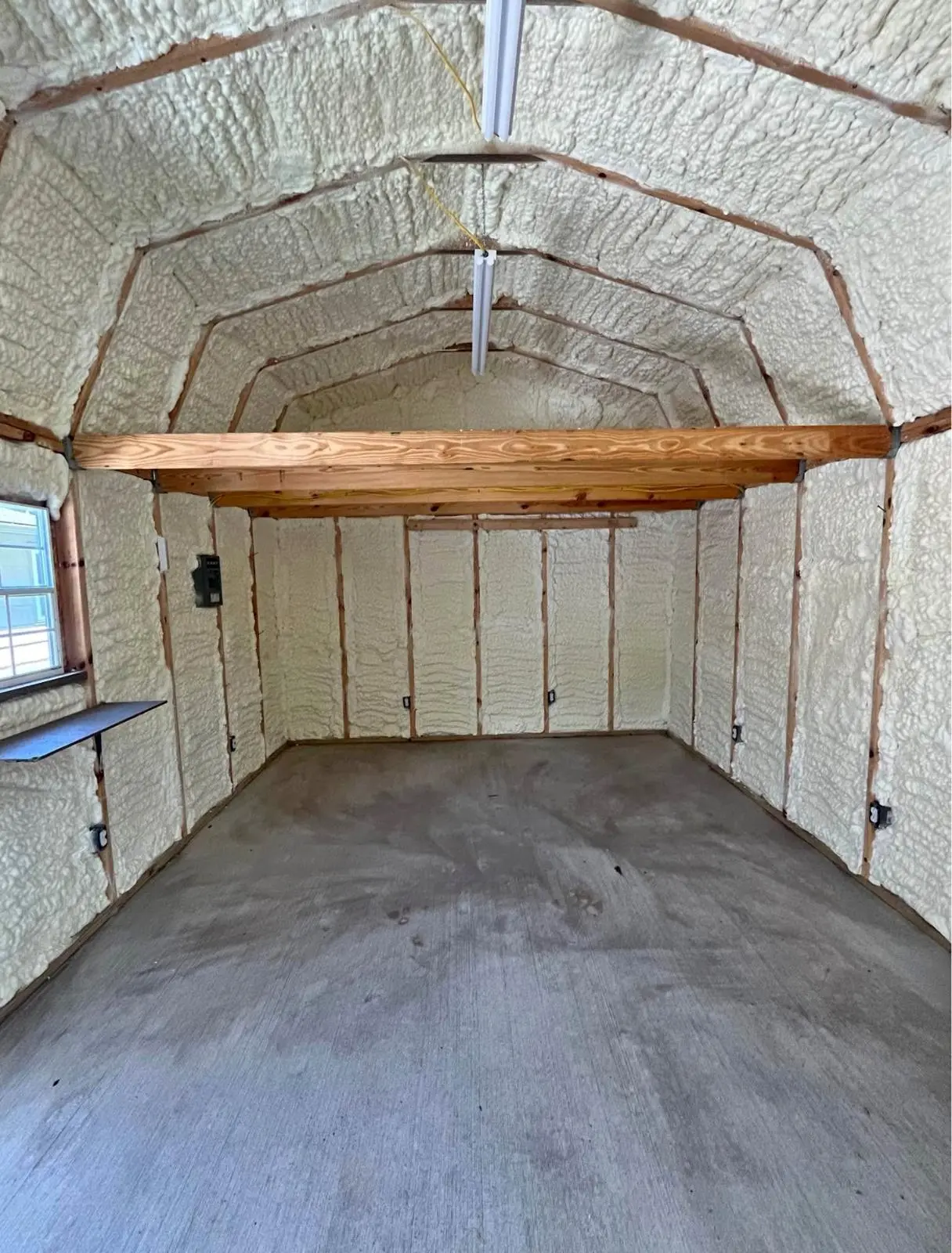
Spray foam, building code and your roof
Spraying foam under the roof deck creates what’s called an unvented, or sealed, attic. Florida’s building code allows unvented attic assemblies when they’re built to the code’s requirements, which is why it matters who designs and installs the system. Before we spray, we check the roof deck for leaks or damage, look at how the attic is ventilated today, and make sure the plan works with your AC system.
If your roof is near the end of its life, it’s usually smarter to replace or repair it before insulating under the deck. We’ll tell you if that’s the case, and our roof coating team can help on flat and metal roofs.
Find out what spray foam would cost for your home
Call (954) 408-5332 or request an estimate online, and we’ll schedule a free inspection.
Where we install spray foam
Attics and roof decks
The most common project for South Florida homes: foam sprayed under the roof deck to create a sealed, conditioned attic.
Walls and additions
New construction, additions and renovations where the walls are open.
Commercial buildings
Offices, retail and industrial spaces that need lower cooling loads and better comfort.
Metal buildings and warehouses
Closed-cell foam to cut heat gain through metal roofs and walls and to control condensation that leads to rust and drips.
New construction
Coordinated with your builder’s schedule before drywall goes up.
What spray foam can do for your property
Cooler, more even rooms
Sealing the attic and walls reduces the hot spots that make some rooms uncomfortable no matter where the thermostat is set.
Less humidity indoors
Air leaks bring in outdoor humidity. Sealing them helps your AC control moisture, not just temperature.
Lower cooling costs
When less heat and humid air get in, your system runs less. Savings vary by home, roof, AC age and how leaky the house was to begin with.
Ductwork in a cooler space
Ducts in a sealed attic lose far less cooling than ducts sitting in a superheated vented attic.
Fewer pests and less dust
Sealed gaps leave fewer ways in for insects, rodents and attic dust.
Our spray foam process
01
Free inspection and estimate
We look at the attic or building, roof deck, ventilation, existing insulation and any moisture issues, then give you a written recommendation and price.
02
Prep and protection
We cover and protect the work area, and remove old insulation first when the job calls for it.
03
Spray application
Our crew applies the foam to the specified thickness and checks coverage as we go.
04
Clean-up and walkthrough
We clean the work area and walk you through what was done.
Areas we serve
ProFoam & Coatings is based in Pompano Beach and installs spray foam insulation throughout Broward County, Palm Beach County and Miami-Dade County, including Fort Lauderdale, Pompano Beach, Boca Raton, Miami, West Palm Beach, Coral Springs, Hollywood and Doral.
Why South Florida property owners choose ProFoam & Coatings
Veteran-owned and local
We’re a veteran-owned company based in Pompano Beach, and we work exclusively in South Florida’s climate.
Licensed and insured
Every project is done by our licensed, insured crew.
Rated 5.0 on Google
Our customers’ reviews speak for the work. Read our reviews.
Spray foam and coatings under one roof
We also handle roof coatings, so we can look at the whole building envelope, not just the insulation.
Frequently asked questions
How much does spray foam insulation cost in South Florida?
Cost depends on the area being sprayed, open- or closed-cell foam, thickness, and whether old insulation has to be removed first. We give a free written estimate after inspecting the space. See our spray foam cost guide for what drives the price.
Is spray foam a good idea in a Florida attic?
For many Florida homes, yes. Spraying foam under the roof deck turns the attic into a sealed, conditioned space, which keeps ductwork cooler and reduces humid air leaking into the house. The attic still needs to be designed and installed correctly, which is why we inspect before recommending it.
Open-cell or closed-cell — which should I choose?
Open-cell is usually the economical choice for residential roof decks. Closed-cell is denser, higher R-value per inch and moisture-resistant, which makes it the usual pick for metal buildings, warehouses and tight spaces. We recommend the type that fits your building.
Does spray foam cause mold?
Properly installed spray foam does not cause mold. Problems come from existing moisture, roof leaks or poor installation. We check for leaks and moisture during the inspection. Read more in our guide to spray foam and attic humidity.
Can I get an FPL rebate for insulation?
FPL has offered rebates for qualifying ceiling insulation upgrades. Program rules change, so check FPL’s current requirements. Our FPL insulation rebate guide explains how it works.
What areas do you serve?
We serve Broward, Palm Beach and Miami-Dade counties from our office in Pompano Beach.
Get a free spray foam estimate
Call (954) 408-5332 or request an estimate online, and we’ll schedule a free inspection.